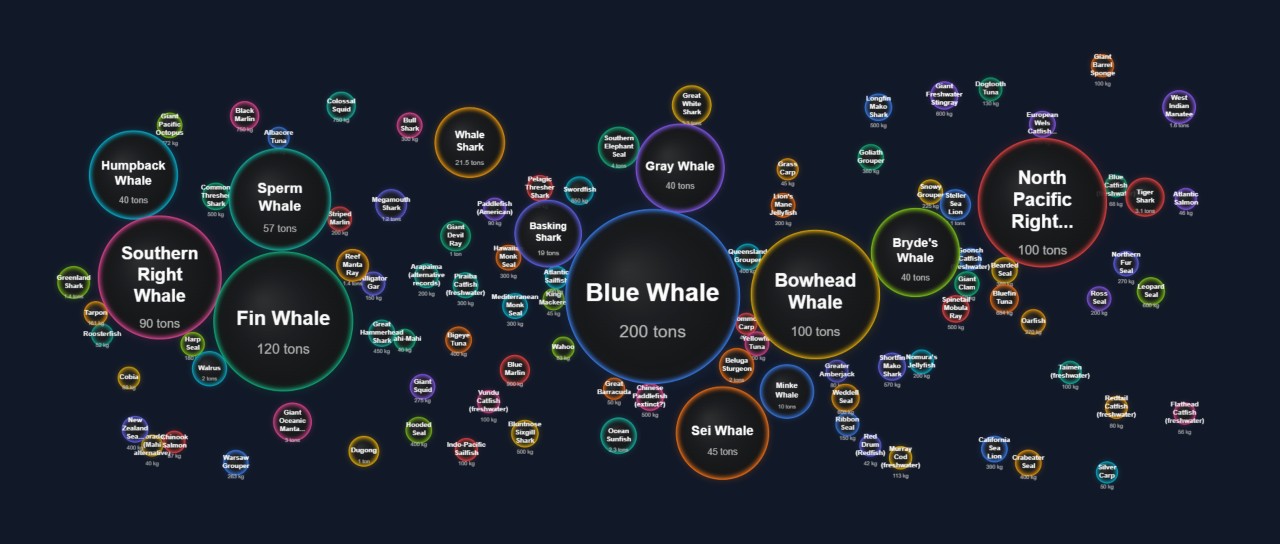
Biggest Fish in the World by Weight
When thinking of the biggest fish on Earth, most people picture massive, awe-inspiring creatures gliding through the oceans. Unlike whales, which are mammals, these giants are true fish and represent some of the most extraordinary species ever documented. From colossal filter-feeding sharks to river-dwelling freshwater monsters, these fish rank among the largest fish in the world by weight and size.
These aquatic titans not only dominate their habitats but also play crucial ecological roles—from controlling prey populations to shaping marine ecosystems. Understanding the largest fish ever caught provides insight into the remarkable biodiversity of our oceans and rivers.
What Is the Biggest Fish in the World?
The Whale Shark (Rhincodon typus) holds the crown as the largest fish in the world. Despite its immense size, this gentle giant is a harmless filter feeder, consuming tiny plankton and krill. Whale sharks are a testament to how nature balances size with survival, living in tropical and warm oceans worldwide.
- Maximum weight: 21.5 tons
- Maximum length: 18.8 m (62 ft)
- Habitat: Tropical oceans globally
- Diet: Plankton and small fish
Learn more: Whale Shark on Wikipedia
Top 10 Biggest Fish in the World
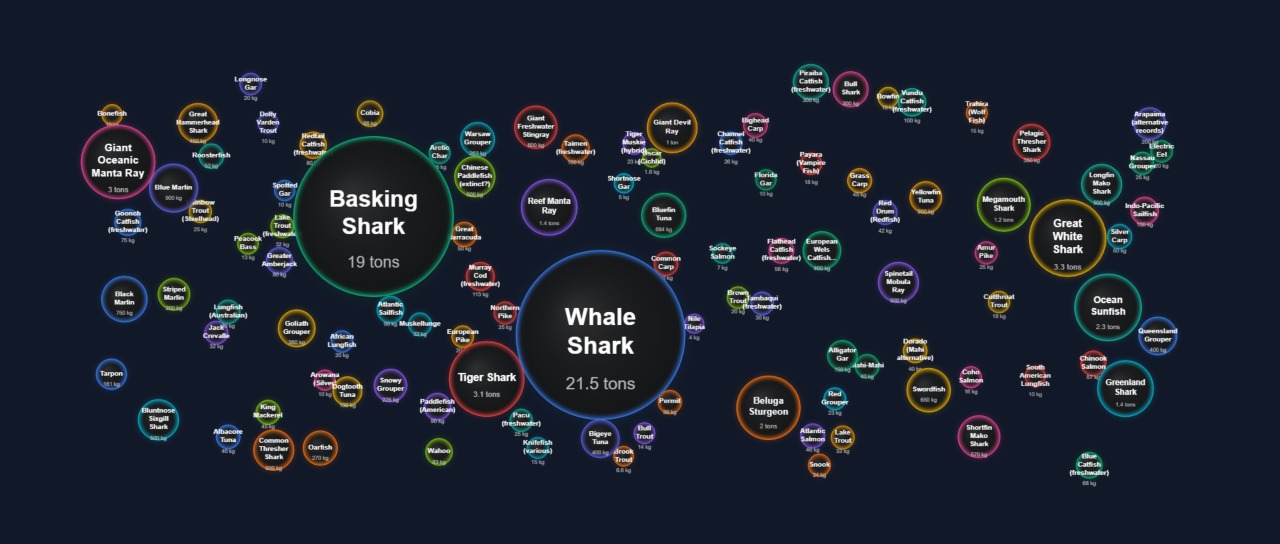
Below is a list of the top 10 biggest fish in the world by weight. This ranking includes both marine and freshwater giants, showcasing their incredible sizes and unique characteristics.
| Rank | Fish | Max Weight | Max Length / Span | Notes |
|---|---|---|---|---|
| 1 | Whale Shark | 21.5 tons | 18.8 m | Largest fish on Earth; gentle filter feeder |
| 2 | Basking Shark | 19 tons | 12.3 m | Second-largest fish; filter feeder |
| 3 | Giant Oceanic Manta Ray | 3 tons | 9 m wingspan | Largest manta ray recorded |
| 4 | Great White Shark | 3.3 tons | 7 m | Biggest ever great white shark; apex predator |
| 5 | Tiger Shark | 3.1 tons | 7.4 m | Versatile eater in tropical waters |
| 6 | Ocean Sunfish | 2.3 tons | 4.2 m | Heaviest bony fish in the world |
| 7 | Beluga Sturgeon | 2 tons | 7–8 m | Biggest freshwater fish; critically endangered |
| 8 | Greenland Shark | 1.4 tons | 7.3 m | Longest-lived vertebrate; Arctic predator |
| 9 | Reef Manta Ray | 1.4 tons | 5.5 m wingspan | Smaller cousin of the giant manta ray |
| 10 | Megamouth Shark | 1.2 tons | 5.5 m | Rare deep-sea filter feeder |
Freshwater Giants: The Biggest Fish in Rivers and Lakes
Oceans host the heaviest fish, but freshwater ecosystems have their own giants. The biggest freshwater fish are often massive sturgeons, catfish, and air-breathing predators that dominate their rivers.
- Beluga Sturgeon: Up to 2 tons; source of prized caviar (Wikipedia)
- European Wels Catfish: Up to 400 kg; legendary freshwater giant (Wikipedia)
- Arapaima: Up to 200 kg; air-breathing Amazon giant (Wikipedia)
- Alligator Gar: Up to 150 kg; prehistoric North American predator (Wikipedia)
Interesting Facts About the Biggest Fish
- The whale shark’s mouth can reach over 1.5 meters wide and filter thousands of liters of water per hour.
- Basking sharks can filter more than 2,000 tons of water per hour while swimming slowly near the surface.
- The ocean sunfish produces up to 300 million eggs in a single spawning event.
- Greenland sharks can live over 400 years, making them the longest-living vertebrate species known.
- Manta rays, including the largest manta ray, can have wingspans of 9 meters, gliding effortlessly through tropical waters.